
How to Identify Male and Female Cannabis Plants
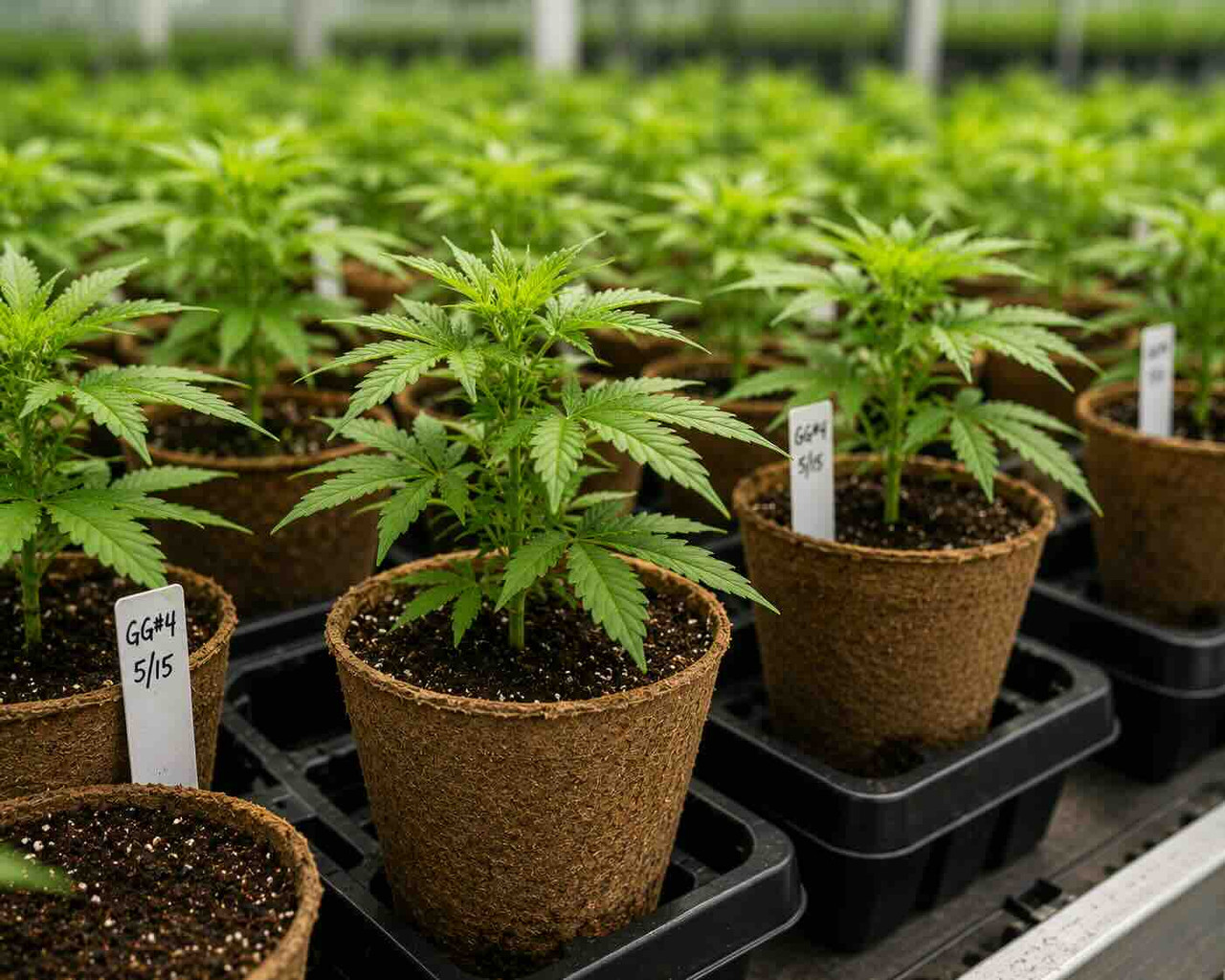
One of the most valuable lessons I learned as a cannabis breeder is that successful cultivation begins long before flowering starts. Many growers become obsessed with bloom nutrients, harvest timing, and final yield, yet the foundation for every successful harvest is established during the first weeks of growth. Healthy roots, vigorous development, and strong plant structure determine how much potential a cultivar can express later in life.
Regardless of whether a grower works with photoperiod or autoflower genetics, the early stages of cultivation deserve careful attention. Mistakes made during this period often follow the plant throughout its entire lifecycle. Understanding how cannabis develops from seedling through vegetative growth allows cultivators to avoid common errors and build stronger, healthier plants.
The Importance of Early Development
The seedling stage may appear simple, but it is one of the most important phases of the cultivation cycle. During this period, the plant establishes its first root system and begins building the structure that will support future growth.
Many growers make the mistake of treating seedlings like mature plants. Excessive watering, aggressive feeding, and unstable environmental conditions frequently create stress that slows development. Healthy seedlings generally require a gentle approach focused on root health and environmental stability.
As a breeder, I often pay close attention to seedling vigor because it provides valuable information about genetic quality. Strong plants typically establish themselves quickly and respond positively to favorable conditions.
Building a Healthy Root System
Roots are the foundation of every successful cannabis plant. Without a healthy root system, nutrient uptake, water absorption, and overall development become limited.
One of the most common cultivation mistakes is overwatering. Many growers assume young plants require constant moisture, but roots need oxygen as much as they need water. Saturated growing media often slow development and reduce overall vigor.
Healthy root development encourages stronger vegetative growth later in the cycle. Growers who prioritize root health frequently notice improvements in plant structure, stress tolerance, and flowering performance.
Genetics also play a role. Growers evaluating different cultivars often compare options through ministryofcannabis.com before selecting seed stock. Strong genetic foundations often translate into stronger early development.
Managing Vegetative Growth Correctly
Once roots become established, the plant enters a period of rapid vegetative growth. During this stage, cannabis focuses on producing leaves, stems, and branches.
The objective is not simply to grow the largest possible plant. Instead, growers should focus on creating a healthy structure capable of supporting future flower production.
Stable temperatures, balanced nutrition, adequate airflow, and proper light intensity all contribute to successful vegetative growth. Environmental consistency is often more valuable than aggressive feeding programs.
Experienced growers understand that healthy, steady development usually produces better long-term results than rapid growth achieved through excessive intervention.
Training and Structural Development
The vegetative stage is also the ideal time for many training techniques. Methods such as topping and low-stress training can improve canopy structure and increase the number of productive flowering sites.
Training works because cannabis naturally favors vertical growth. By redirecting growth patterns, growers can improve light distribution and create a more efficient canopy.
However, timing matters. Healthy plants generally recover from training quickly, while stressed plants may require additional time to regain momentum.
Professional breeders often evaluate how different cultivars respond to training because branch structure, recovery speed, and vigor vary significantly between genetic lines.
Common Mistakes During Early Growth
The most common mistakes are overwatering, overfeeding, and impatience. New growers often attempt to accelerate development through excessive intervention when the plant would perform better with a more balanced approach.
Another mistake is ignoring environmental conditions. Temperature, humidity, and airflow influence plant performance every day. Healthy genetics cannot fully compensate for poor environmental management.
Growers should also avoid making multiple changes simultaneously when problems appear. Careful observation and gradual adjustments simplify troubleshooting and reduce stress.
Industry cultivation trends and commercial production developments can be followed through https://www.leafly.com, but the fundamentals of early plant development remain remarkably consistent regardless of changing technologies.
Final Thoughts
How to Identify Male and Female Cannabis Plants ultimately comes down to establishing strong foundations. Healthy roots, stable environmental conditions, balanced nutrition, and careful observation create the framework for successful cultivation.
In my experience as a breeder, the strongest harvests rarely result from dramatic interventions. They are built gradually through good decisions made during the earliest stages of growth. Growers who master those fundamentals consistently place themselves in the best position for success later in the cycle.