
Oil and Gas Simulation for Operational Excellence
The oil and gas industry faces increasing pressure to optimize operations while maintaining safety and reducing costs. Simulation platforms have emerged as powerful tools that address these challenges by creating virtual environments where companies can test processes, train personnel, and optimize systems without disrupting live operations. These advanced solutions provide accurate predictive analytics, risk assessment capabilities, and immersive training environments that translate directly into improved efficiency and increased revenue across upstream, midstream, and downstream operations.
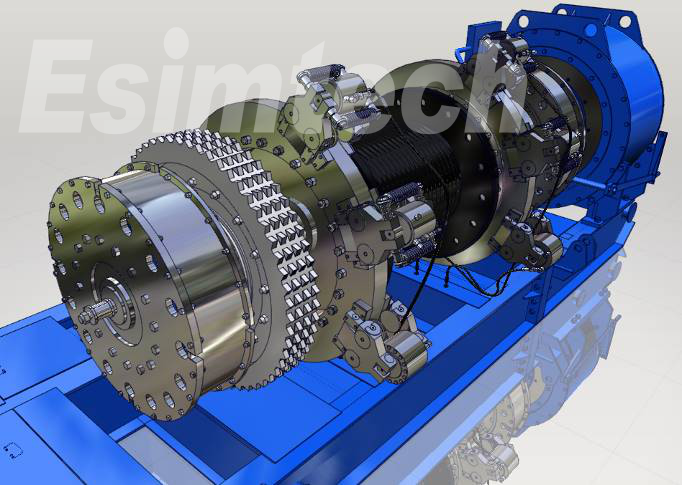
Virtual Simulation for Operational Optimization
Process simulation technology enables oil and gas companies to model complex refining operations, pipeline networks, and drilling sequences with remarkable accuracy. By creating digital twins of physical assets, engineers can test different operational parameters to identify the most efficient configurations. This approach significantly reduces the trial-and-error process in real-world operations, where mistakes can be costly. For example, simulation can optimize crude distillation unit operations to increase yield percentages by 3-5%, directly impacting profitability without additional capital expenditure.
Equipment simulation plays an equally crucial role in operational optimization. Drilling Rig Simulators allow operators to practice complex procedures in a risk-free environment, reducing equipment wear and improving first-time success rates in actual operations. These systems replicate everything from routine operations to emergency scenarios, ensuring crews develop both technical skills and critical decision-making abilities. Field data shows that simulator-trained crews achieve 25-30% faster drilling times with 40% fewer errors compared to traditionally trained teams.
The financial impact of simulation extends beyond direct operational improvements. By minimizing unplanned downtime through predictive maintenance models and reducing safety incidents through comprehensive training, companies see significant reductions in operational costs. One major offshore operator reported saving $12 million annually in maintenance costs alone after implementing a comprehensive simulation-based predictive maintenance program across their platforms.
Risk Reduction Through Advanced Modeling
Safety remains the paramount concern in oil and gas operations, and simulation technology provides unprecedented tools for risk mitigation. Advanced process simulation models can predict potential failure points in complex systems, allowing engineers to redesign processes before implementation. These models incorporate fluid dynamics, pressure variations, and material stress points to identify vulnerabilities that might otherwise go unnoticed until a critical failure occurs. The ability to simulate rare but catastrophic events like blowouts or pipeline ruptures enables companies to develop more robust emergency response plans.
Personnel training simulations take risk reduction to another level by immersing workers in hyper-realistic scenarios. Virtual reality platforms recreate hazardous situations—from gas leaks to equipment malfunctions—where trainees must make critical decisions under pressure. This experiential learning approach results in 70% better knowledge retention compared to classroom training according to industry studies. The use of Petroleum Simulators for emergency response training has been particularly effective, with companies reporting 50% faster response times during actual incidents after implementing simulation-based training programs.
| Application Area | Traditional Approach | Simulation Benefits | Typical ROI |
|---|---|---|---|
| Drilling Operations | On-the-job training | 40% fewer errors, 25% faster operations | 3:1 |
| Process Optimization | Trial-and-error adjustments | 3-8% yield improvements | 5:1 |
| Safety Training | Classroom instruction | 60% reduction in incidents | 4:1 |
| Maintenance Planning | Fixed schedule maintenance | 30% lower maintenance costs | 6:1 |
Revenue Growth Through Simulation
Production Uptime
15-20% increase through predictive maintenance
Training Efficiency
50% reduction in time to competency
Safety Improvements
60% decrease in recordable incidents
Process Yield
3-8% gains in refining efficiency
Simulation technology delivers measurable financial benefits across the entire oil and gas value chain. Upstream operations see improved drilling efficiency and reduced non-productive time. Midstream companies optimize pipeline flows and maintenance schedules. Downstream operators achieve higher yields and better product quality. Across all segments, the common thread is data-driven decision making enabled by accurate simulation models that replace guesswork with precise predictive analytics.
Implementation Strategies
Successful implementation of oil and gas simulation requires careful planning and integration with existing systems. The most effective programs begin with a thorough assessment of operational pain points to identify where simulation can deliver the highest value. Many companies start with pilot projects focused on specific high-impact areas like drilling optimization or safety training before expanding to enterprise-wide deployment. Cloud-based simulation platforms have made implementation easier by eliminating the need for expensive on-premise hardware while providing scalable computing power for complex models.
Change management represents a critical component of successful simulation adoption. Workers accustomed to traditional methods may initially resist virtual training or digital process optimization. Effective implementation programs include comprehensive change management strategies that demonstrate the tangible benefits to frontline staff. When properly implemented, simulation tools often gain rapid acceptance as workers experience firsthand how the technology makes their jobs easier and safer while providing clear career development opportunities through advanced skills training.
The transformative potential of simulation technology in the oil and gas industry continues to expand as advancements in computing power, artificial intelligence, and virtual reality enable increasingly sophisticated applications. From reservoir modeling to refinery digital twins, these tools provide decision-makers with unprecedented visibility into operations while giving frontline workers the skills and confidence to perform at their best. As the industry faces growing challenges around efficiency, safety, and environmental responsibility, simulation platforms will play an ever more central role in developing solutions that drive both operational excellence and financial performance.